
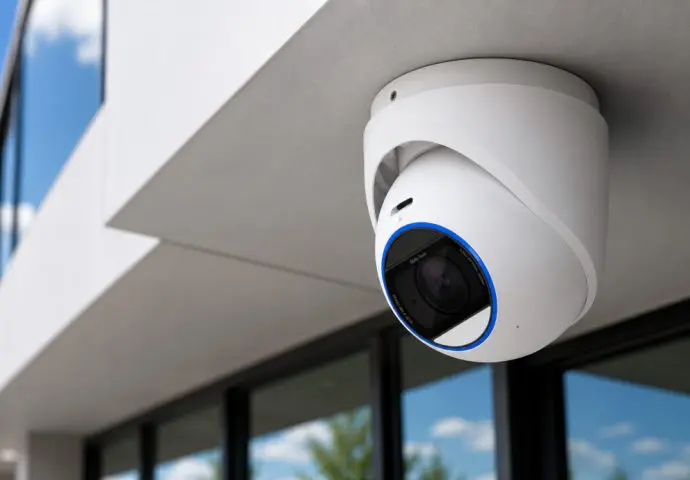
If you’re evaluating a new security camera system, you’ll likely spend time comparing image quality, storage, analytics, and pricing. Another consideration that has become increasingly important is NDAA compliance.
While NDAA requirements originated within the federal government, they have become a growing consideration for businesses, schools, healthcare facilities, and organizations that prioritize cybersecurity, data protection, and long-term system reliability.
Understanding what NDAA compliance means—and how it may affect your surveillance system—can help you make a more informed investment.
What is NDAA Compliance?
NDAA compliance refers to Section 889 of the National Defense Authorization Act (NDAA), a federal law that restricts the use of certain telecommunications and video surveillance equipment from manufacturers identified as potential national security risks.
Originally aimed at federal agencies and federally funded projects, these requirements have influenced purchasing decisions well beyond government applications. Today, many organizations choose NDAA-compliant security cameras because they offer greater confidence in the equipment, supply chain, and cybersecurity standards behind the system.
In simple terms, NDAA-compliant security cameras are designed to meet current federal requirements for use in government-related projects and other environments where compliance is a consideration.
Why NDAA-Compliant Security Cameras Matter
Security cameras are no longer standalone devices. They are connected to business networks, store sensitive footage, and often integrate with access control, alarm, and building management systems.
As organizations evaluate new surveillance systems, many are looking beyond image quality alone and considering factors such as cybersecurity, reliability, and future compliance requirements.
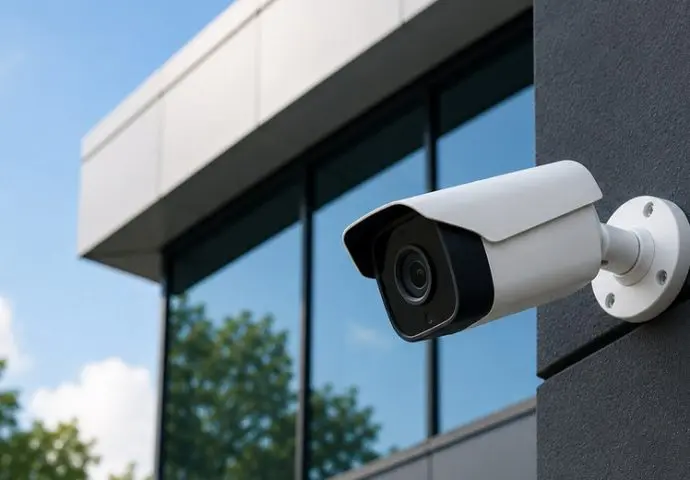
Benefits of NDAA-compliant surveillance systems include:
Increased confidence in the security of recorded data
Enhanced cybersecurity protections
Greater transparency in manufacturing and supply chains
Reduced risk of future compliance concerns
Alignment with government, education, healthcare, and critical infrastructure requirements
For many organizations, NDAA compliance is simply part of selecting a surveillance platform that is built for long-term use.
Manufacturers Referenced Under NDAA Section 889
NDAA Section 889 identifies certain manufacturers whose equipment may not be permitted in some government and federally funded projects. Organizations with compliance requirements should verify that any proposed surveillance equipment meets current standards.
At the time this article was published, manufacturers commonly referenced under NDAA Section 889 included:
- Hikvision
- Dahua
- Hytera Communications
- Huawei Technologies
- ZTE Corporation
Because regulations, interpretations, and manufacturer offerings can change over time, organizations should verify current compliance requirements before making purchasing decisions.
Why More Dallas-Fort Worth Organizations Are Choosing NDAA-Compliant Security Cameras
Throughout the Dallas-Fort Worth area, organizations are placing greater emphasis on cybersecurity and risk management when evaluating surveillance systems.
This includes:
Businesses pursuing municipal, government, or public-sector opportunities
Warehouses and distribution facilities
Manufacturing operations
Office buildings
Schools and educational campuses
Healthcare facilities
Churches and nonprofit organizations
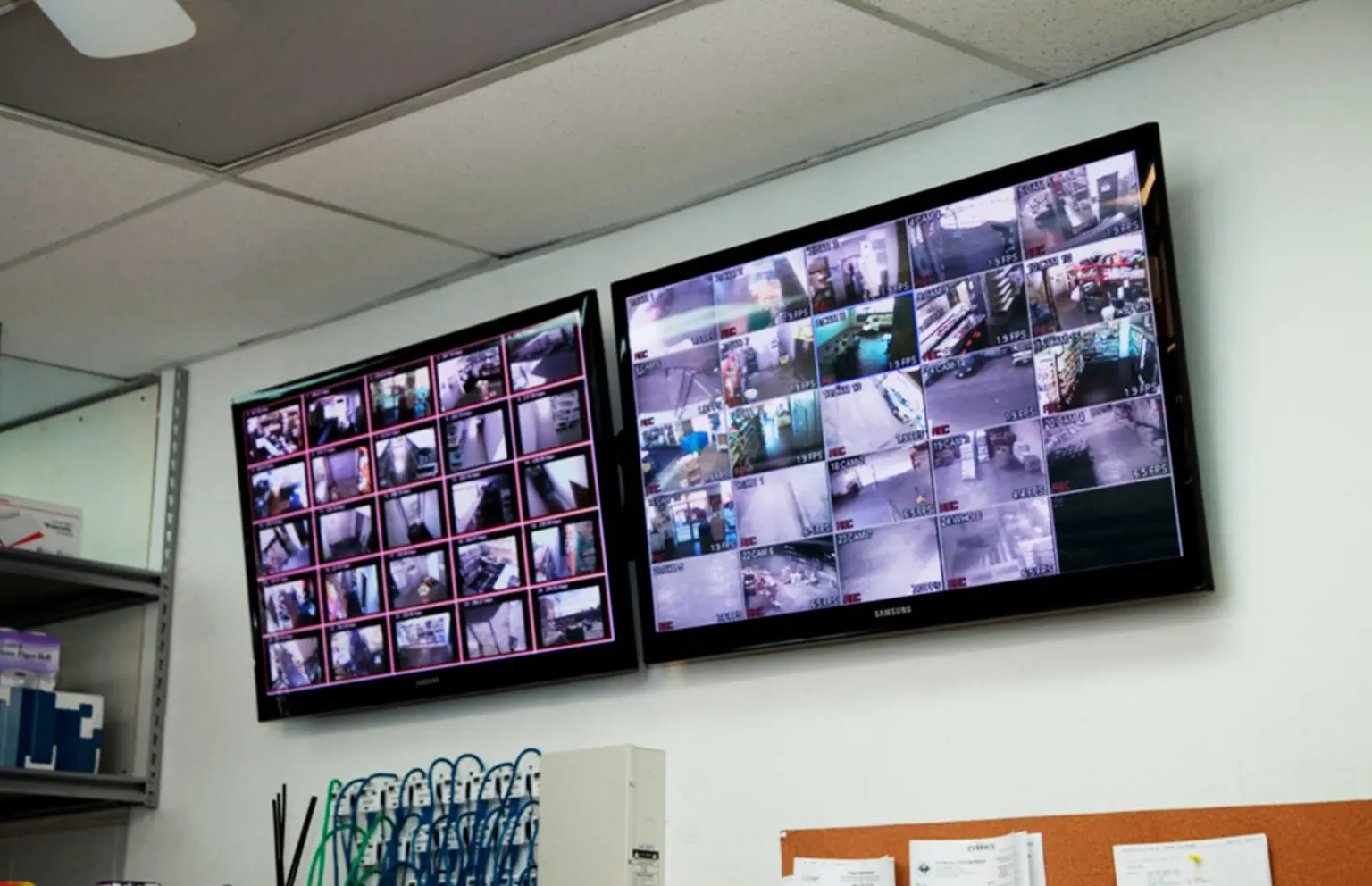
Many of these organizations are not required to use NDAA-compliant equipment today. However, they recognize the value of investing in systems that meet higher security standards and are less likely to create challenges in the future.
Important Licensing Note for Texas Security Camera Installations
In Texas, installing a security camera system that includes video recording capabilities is regulated as part of an alarm system under state law. This means the installing company must hold a valid Alarm Systems Company license from the Texas Private Security Bureau (Texas Department of Public Safety), and technicians typically need to be registered as Alarm Systems Installers.
Many general AV or low-voltage installers do not carry this specific credential. Working with a properly licensed provider helps ensure compliance with state regulations, protects your investment, and provides greater peace of mind regarding liability, warranties, and long-term system support.
At IQueue Media Company, we maintain the required licensing (our Alarm Systems Company license number is B17319—you can verify it through the Texas DPS Private Security Bureau). This is part of our commitment to professional, code-compliant installations across all our surveillance projects.exas Security Camera Installations
How IQueue Evaluates Surveillance Systems
Not all surveillance systems are built the same. Selecting the right solution requires balancing security, performance, reliability, and long-term support.
At IQueue Media Company, we evaluate surveillance platforms based on:
- Security and cybersecurity standards
- Reliability and long-term performance
- Manufacturer support and product availability
- Integration capabilities with existing systems
- Compliance documentation and requirements
- Scalability for future growth
- Overall value for the application
Because every facility has different operational and security goals, we recommend solutions based on the needs of the organization rather than a one-size-fits-all approach.
For organizations where NDAA compliance is a consideration, we work with manufacturers that offer NDAA-compliant solutions and maintain current compliance documentation.
Examples of manufacturers we commonly recommend include:
- Ubiquity
- Reolink
The right surveillance system is not always the one with the most features. It’s the one that aligns with your security objectives, operational requirements, and long-term plans.
Is Your Current Camera System NDAA Compliant?
In many organizations, surveillance systems have been expanded, upgraded, or modified over time. As a result, it is not always clear what equipment is currently installed or whether it meets current standards.
If you’re planning an expansion, upgrading aging equipment, improving cybersecurity, or evaluating compliance requirements, a system review can provide valuable insight.
An assessment can identify:
- Existing camera manufacturers and models
- Potential compliance concerns
- Cybersecurity vulnerabilities
- Upgrade opportunities
- Integration options with newer technologies
A system review often reveals opportunities to improve security, simplify management, and address potential concerns before they become larger issues.
Why Work With IQueue Media Company?
A surveillance system is more than a collection of cameras. It is part of your overall security strategy and should be designed to support your facility, operations, and long-term goals.
iQueue Media Company works with organizations throughout the Dallas-Fort Worth area to design and install surveillance solutions that balance security, compliance, ease of use, and long-term value. Our approach is focused on understanding your environment and recommending solutions that fit your needs today while supporting future growth.
Whether you’re planning a new installation, upgrading an existing system, or evaluating compliance requirements, our team can help you make an informed decision.
Frequently Asked Questions About NDAA Compliance
Section 889 restricts the use of certain telecommunications and video surveillance equipment from manufacturers identified as potential national security risks in federal and federally funded projects.
Not necessarily. However, many organizations choose NDAA-compliant systems because they offer stronger cybersecurity assurances and greater flexibility should future compliance requirements arise.
In many cases, yes. The answer depends on your organization’s compliance requirements, security objectives, and future plans.
Not always. Pricing varies by manufacturer, features, and system design. In many cases, the difference is smaller than organizations expect.
Ready to Evaluate Your Security Camera System?
When considering security camera and surveillance system installation remember that cybersecurity, reliability, scalability, and long-term support all play a role in protecting your investment. Whether you’re designing a new system, upgrading existing equipment, or evaluating your current infrastructure, iQueue Media Company can help you identify the right solution for your organization.
Contact us today to schedule a consultation and learn more about NDAA-compliant security camera solutions in the Dallas-Fort Worth area.
Schedule a conversation with our experts to determine the right approach for your home or business.
Related Posts
-

Keep Your Connected Home Connected
How to keep your connected home connected? Read about internet failover and redundancy solutions from Ubiquiti.
-

What to Expect with a Lutron Installation in Dallas
A professional Lutron installation ensures lighting feels intuitive, balanced, and reliable. Here is what to expect from the process.
-

Control4 Installation Timeline: What happens from Consultation to Handoff.
What does a typical home or office Control4 installation timeline look like from consultation to handoff?